
Internet of Things (IoT)

A Revolution in Data Collection

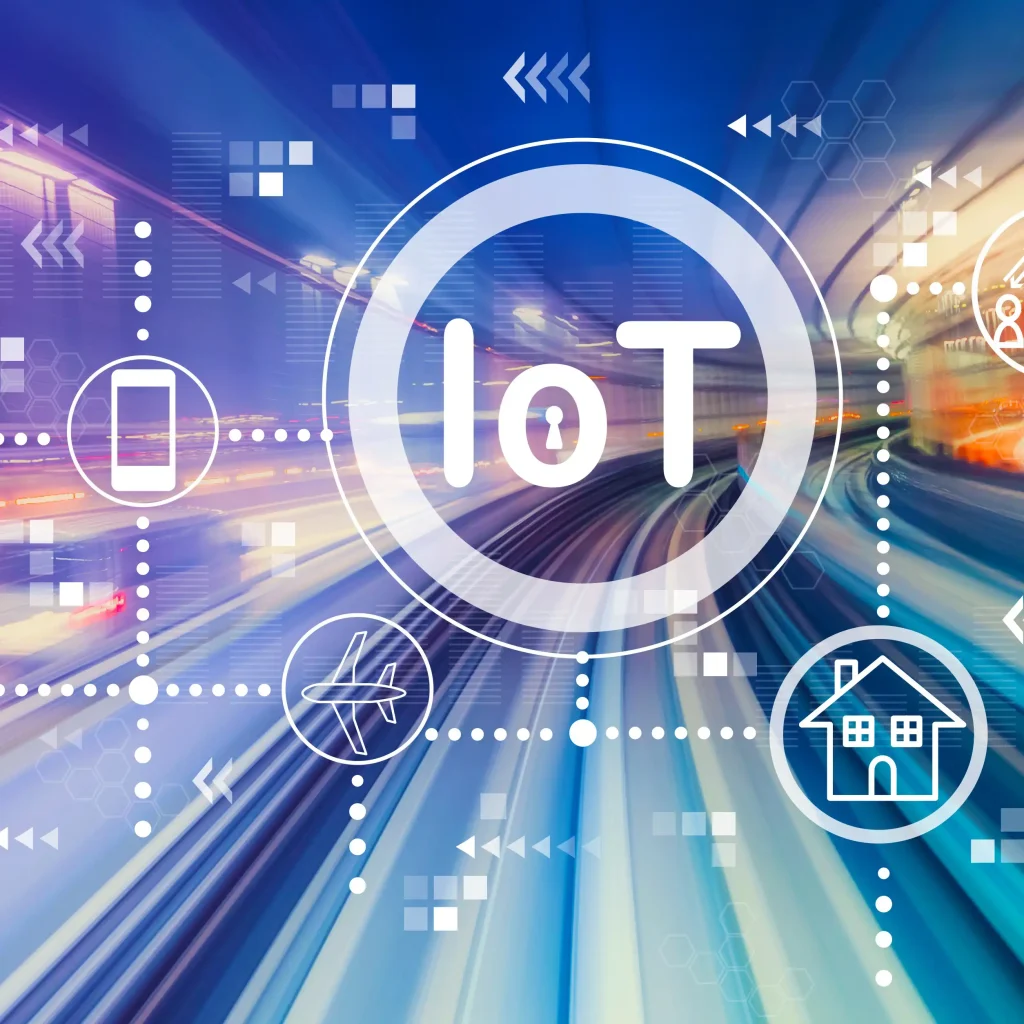
The Internet of Things, or IoT, is transforming how companies collect and leverage data.

Thanks to connected sensors and smart devices, it is now possible to gather a massive amount of real-time information.

Systems Adapted to African Environments

In areas with high heat and dust exposure

On remote sites without permanent air conditioning

With unstable electrical networks

In heavy industrial environments

With low maintenance requirements

Supporting edge deployments and off-data-center environments

Understanding IoT and How It Works

IoT refers to an interconnected network of physical objects equipped with sensors, software, and technology capable of transmitting data over the Internet. These devices analyze their environment to deliver actionable insights.
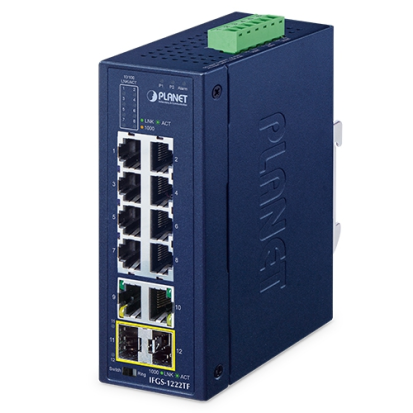
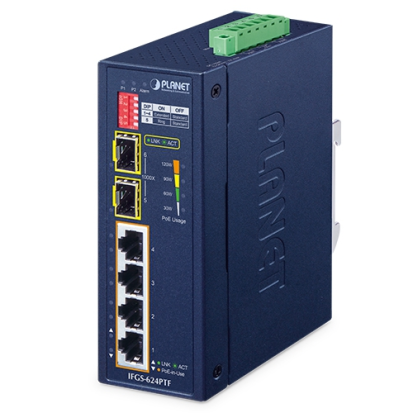
The functioning of IoT is based on three essential elements:

  • Connected sensors: These collect raw data (such as temperature, movement, pressure, etc.).


  • Communication networks: Wi-Fi, 5G, or Bluetooth enable the transfer of information.


  • Processing platforms: These systems centralize and analyze the data to extract valuable insights.

Related Products

Key benefits of IoT

Real-Time Data Access

IoT provides instant insights and an accurate view of current conditions. For example:

  • in logistics, sensors monitor stock, temperature, and delivery times;
  • in healthcare, connected wearables measure heart rate and oxygen levels to enable rapid intervention.


Improved Accuracy

Unlike traditional methods, IoT reduces human error. Sensors collect data directly from the environment, ensuring optimal precision.

In agriculture, devices measure soil moisture or quality to maximize yields; in smart cities, sensors monitor air quality or traffic without human intervention.

Operational Cost Reduction

IoT automation decreases expenses. Companies save time and resources by optimizing processes. In industry, sensors anticipate failures to reduce maintenance costs. In logistics, IoT optimizes routes and minimizes waste.

Informed Strategic Decisions

Collected data helps companies identify key trends and predict future needs. Retailers adapt marketing strategies based on consumer behavior; fleet managers optimize routes using GPS data.

Enhanced Security

IoT devices contribute to protecting people and assets. Connected surveillance systems secure sensitive infrastructure, and industrial sensors detect anomalies that could cause accidents.

Positive Environmental Impact

By enabling more efficient resource management, IoT helps reduce environmental footprints. Smart buildings automatically adjust lighting and air conditioning based on occupancy, and connected irrigation systems optimize water use in agriculture.

Challenges Related to IoT

Despite its many advantages, IoT also presents challenges that must be addressed:

  • Data security: Connected devices are vulnerable to cyberattacks;


  • Technological compatibility: Integrating diverse IoT systems can be complex;


  • Initial investment: The cost of equipment can be a barrier, although long-term savings are significant.

Data Protection

Protecting data collected through IoT is a legal, practical, and commercial necessity.

Legally, data protection ensures compliance with local and international regulations and avoids penalties. Practically, securing data reduces the risk of cyberattacks and ensures integrity.

Commercially, transparent data governance strengthens trust with customers and partners, offering a competitive advantage in a market where cybersecurity is increasingly a key differentiator.

A Sustainable Investment

The Internet of Things is transforming data collection and use, offering unprecedented opportunities. With real-time information, increased accuracy, and significant cost savings, IoT is a major strategic asset.

owever, to fully benefit from it, organizations need to overcome technical and security challenges.

Tailored solutions are available to support this transition towards a more connected and high-performing future.

Trusted By

This is a place to showcase the logos of some of your clients

Client Testimonials

“A testimonial from a client who benefited from your product or service. Testimonials can be a highly effective way of establishing credibility and increasing your company's reputation.”
Client Name
“A testimonial from a client who benefited from your product or service. Testimonials can be a highly effective way of establishing credibility and increasing your company's reputation.”
Client Name

FAQ

A detailed answer to provide information about your business, build trust with potential clients, and help convince the visitor that you are a good fit for them.

A Title to Turn the Visitor Into a Lead

Use this short paragraph to explain how you will deliver this benefit to the visitor if they decide to work with you.