

Technological advancements are redefining the scope of mobility worldwide by integrating increasingly innovative solutions.
Among these, augmented reality (AR) stands out as a technology with strong potential to optimize operational efficiency, enhance user experience, and address sustainability challenges.
This observation is particularly relevant in the African context, where the specific needs of the market create unique opportunities for AR adoption.
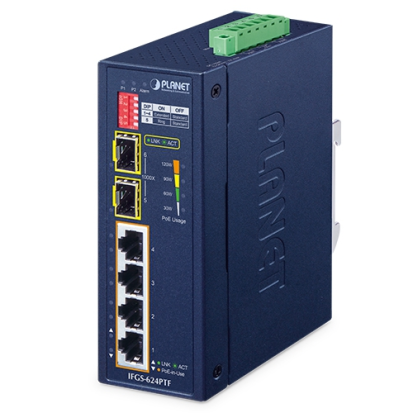
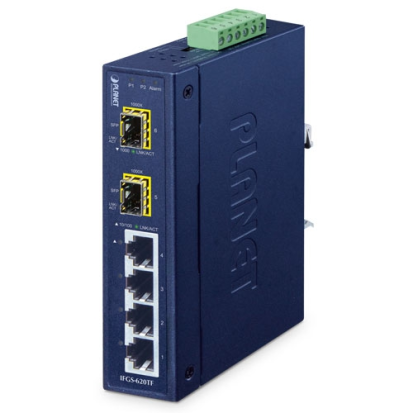
High heat and dusty environments
Sites remote from permanent air conditioning
Areas with unstable electrical networks
Heavy industrial settings
Low-maintenance requirements
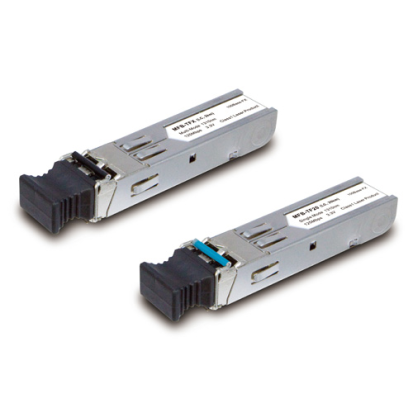
Support for edge deployments outside traditional data centers
Augmented reality provides valuable tools for the rail sector, especially for predictive maintenance and infrastructure management.
With connected glasses or mobile interfaces, technicians can visualize system components in real time with 3D overlays guiding their interventions. These solutions also help minimize service interruptions—critical where rail and urban networks are essential for mass transit.
In rapidly urbanizing African cities, AR can also assist in transport network planning. For example, local authorities can use immersive models to identify congestion points or assess the impact of metro or rapid bus line extensions.
AR also finds applications in autonomous and shared mobility. Augmented dashboards projecting information onto the windshield offer intuitive and safer navigation.
These systems may include alerts about traffic conditions, hidden obstacles, or work zones—features particularly useful in fast-evolving urban environments.
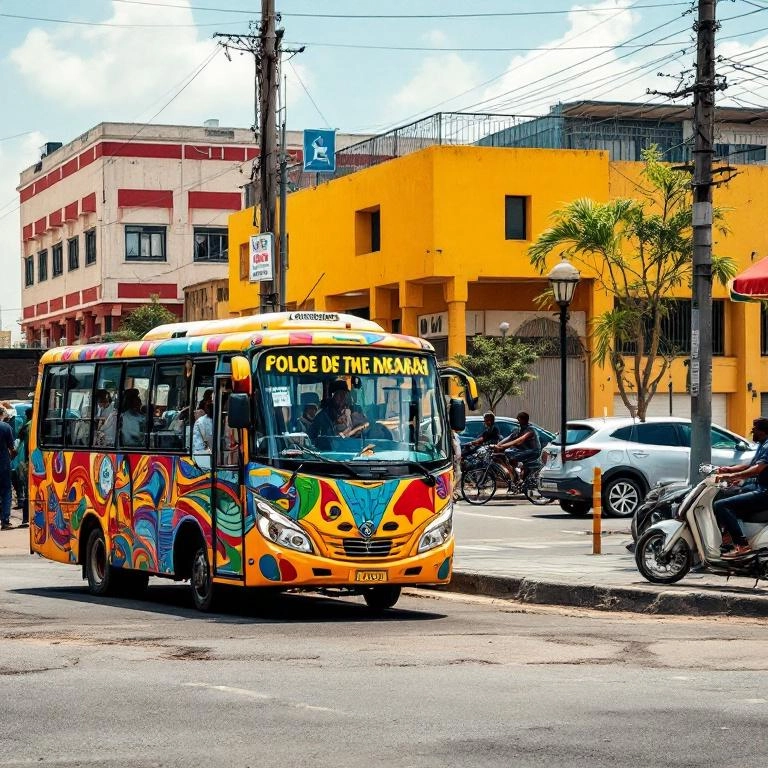
In Africa, where shared transport fleets such as matatus in Kenya or tro-tros in Ghana play an essential role, tailored AR solutions could revolutionize user experiences.
For example, mobile applications could help users quickly locate available vehicles or provide optimized routes.


Deploying AR heavily depends on network connectivity and digital infrastructure, which are still developing in many African regions. However, the growing adoption of 4G and 5G technologies—combined with widespread smartphone use—offers significant acceleration potential. AR solutions could also be adapted to operate offline or with reduced bandwidth requirements to meet local constraints.
Implementing AR requires specific expertise, particularly in software design and hardware maintenance. Local training initiatives and partnerships with African universities could play a key role in meeting these needs while creating high-value jobs.
In the African context, partnerships between public and private stakeholders will be decisive. Governments can support AR adoption through incentive policies, while technology companies can offer solutions adapted to local specificities—such as devices designed to operate under extreme climatic conditions.
Sustainability is a major concern for augmented mobility solutions. By optimizing processes, reducing emissions from unnecessary travel, and promoting the use of recyclable materials for equipment, AR can integrate into a comprehensive sustainable development strategy.
These aspects are particularly relevant in African economies, where environmental, social, and economic challenges are closely linked.
The convergence of mobility and augmented reality paves the way for profound transformations in transport systems. In Africa, where urban and interurban mobility challenges are pressing, AR offers innovative solutions to improve efficiency, safety, and accessibility.
However, the success of these projects will depend on the ability to overcome technical, social, and organizational challenges while capitalizing on the many opportunities the continent offers.
This is a place to showcase the logos of some of your clients