


Initially seen as a constraint, traceability has now become an essential asset for companies.
Beyond regulatory obligations, it serves as a driver of competitiveness, transparency and organizational efficiency.
Here is why traceability is indispensable today.
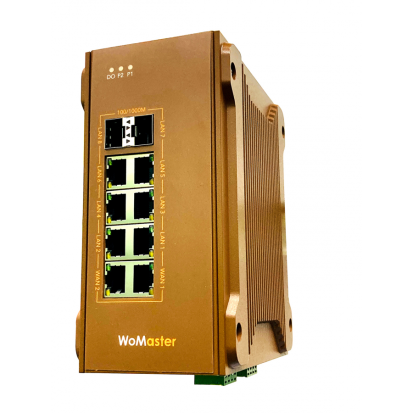
In areas with high heat and dust exposure
On remote sites without permanent air conditioning
With unstable electrical networks
In heavy industrial environments
With low maintenance requirements
Supporting edge deployments and off-data-center environments
Certain standards require companies to publish precise data on their environmental, social and governance (ESG) impact. This demands detailed traceability throughout the value chain. Other standards, such as food‑safety regulations, also call for advanced tracking systems.
Example: In the food industry, traceability enables rapid identification of a defective batch during a product recall, minimizing economic and legal impacts.
A robust traceability system limits the risk of non‑compliance. In the event of an inspection or dispute, it provides full transparency, thereby avoiding fines and reputational damage.
Today’s consumers demand greater transparency regarding product origin. Traceability allows companies to share information on raw materials, the manufacturing process and transport conditions.
Example: In fashion, a brand that certifies ethical production attracts customers concerned with social and environmental issues.
By precisely tracking the use of resources (consumables, raw materials, energy), companies can identify waste and improve efficiency.
Example: A factory that monitors energy consumption at each production step can reduce costs by adopting energy‑efficient solutions.
A traceability system enables real‑time stock monitoring, avoiding shortages or surpluses. This precision improves forecasting and reduces costs related to storage and logistics.
With the rise of AI and machine learning, companies have access to growing volumes of data. A tailored solution can transform this data into strategic intelligence.
Example: In the medical sector, AI‑based software can monitor equipment status, predict maintenance needs and optimize hospital resource management.
Customized software solutions also ensure compliance with data protection standards and meet regulatory requirements.
Example: A company managing personal data under GDPR can use software that guarantees compliant handling of sensitive information.
Furthermore, network systems designed to counter cyberattacks enhance overall security.
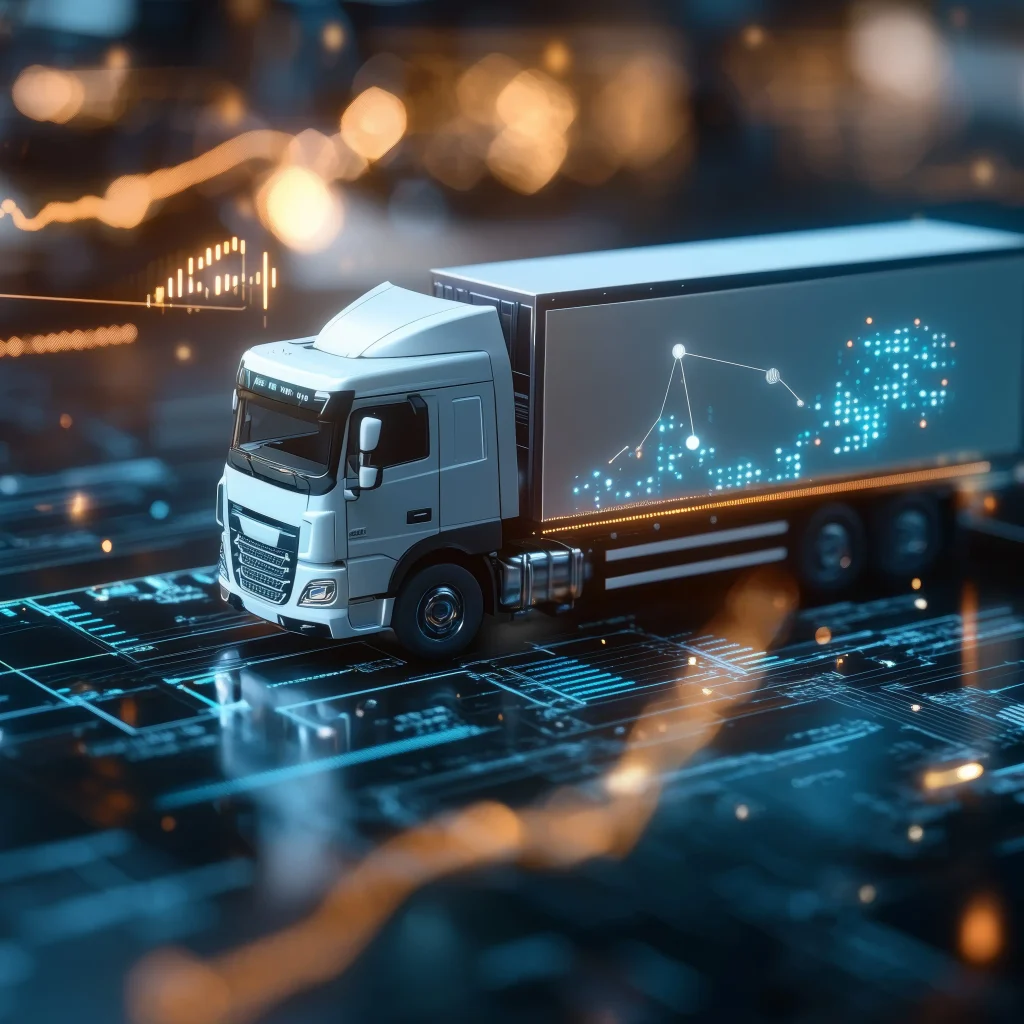
In a context of globalized supply chains, traceability provides precise product location at every stage. This improves the management of delays and responsiveness to unforeseen events.
Example: GPS tracking of fleets optimizes routes to reduce fuel consumption and ensure on‑time deliveries.
Accurate tracking throughout the logistics chain reduces errors and theft, thereby strengthening profitability and customer satisfaction.
Collecting and exploiting traceability‑related data enables companies to innovate and anticipate market trends.
Example: Electric vehicle manufacturers use traceability to guarantee the sustainable origin of batteries, a key selling point for customers.
Traceability benefits not only consumers. By sharing reliable data with suppliers and distributors, companies reinforce credibility and the quality of their ecosystem.
Traceability goes beyond mere regulatory compliance: it represents a genuine strategic advantage.
By ensuring compliance, improving transparency and optimizing internal processes, it plays a key role in the sustainability and competitiveness of companies.
Organizations that invest in modern traceability solutions not only meet current challenges but also prepare their future success.
This is a place to showcase the logos of some of your clients