

In a world where digital transformation is accelerating, companies must work with a diverse range of technologies to remain competitive.
Industries such as the Internet of Things (IoT), artificial intelligence (AI), ERP systems, and network solutions require high‑performing software tools.
This is where custom software solutions come in — capable of integrating these technologies and maximizing their impact.
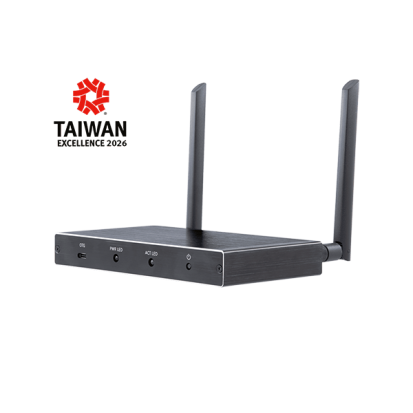
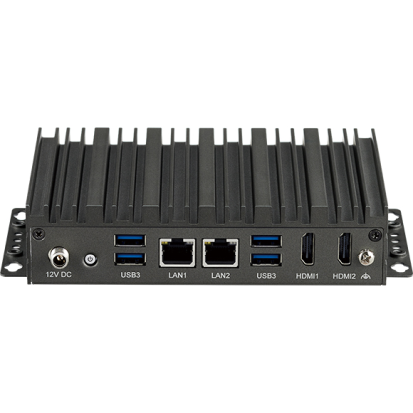
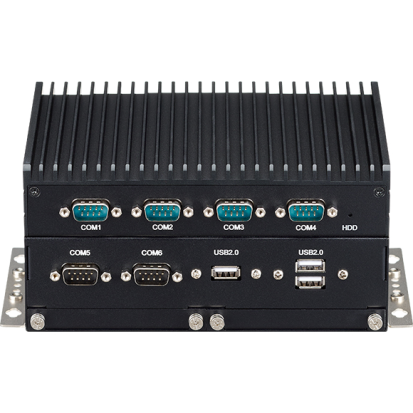
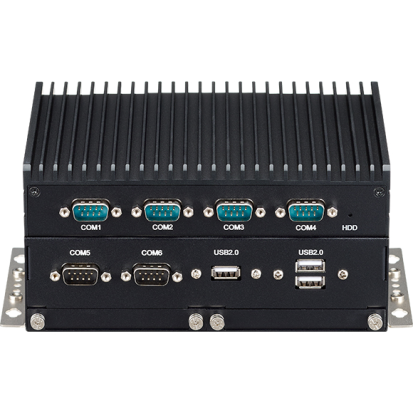
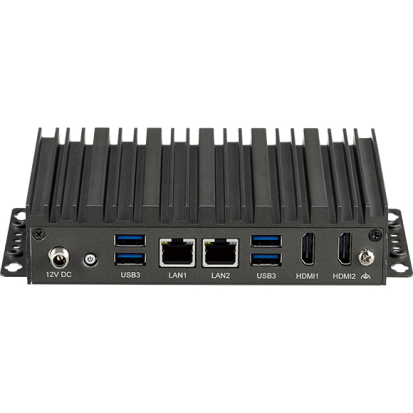
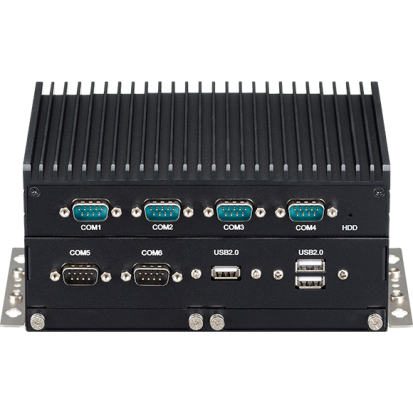
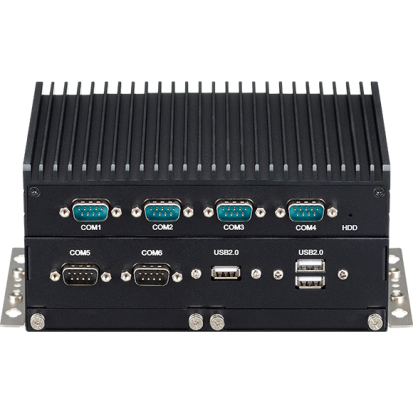
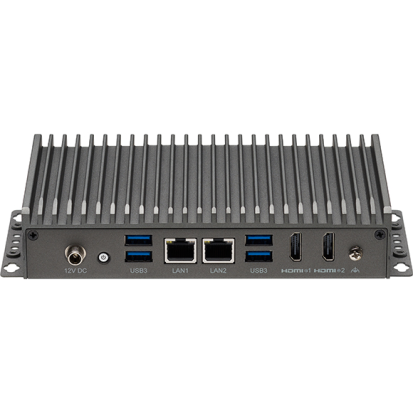
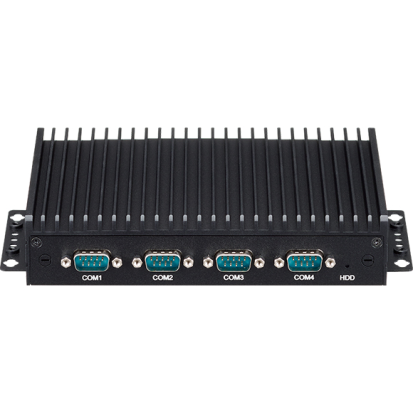
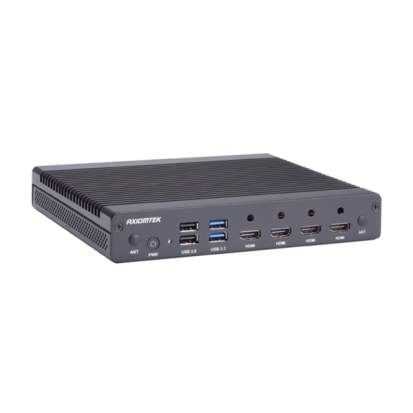
In areas with high heat and dust exposure
On remote sites without permanent air conditioning
With unstable electrical networks
In heavy industrial environments
With low maintenance requirements
Supporting edge deployments and off-data-center environments
Adopting digital transformation aims to improve operational efficiency and the customer experience.
However, this evolution often involves managing heterogeneous systems, particularly in IoT, where connected sensors and devices generate large volumes of real‑time data.
Custom software can collect and analyze these data streams, prevent malfunctions, reduce costs, and improve productivity.
Standard software solutions are not always sufficient to meet the unique demands of each organization.
Custom development provides the flexibility needed to adapt to specific processes, especially in complex hardware environments or embedded systems.
For example, a transport company could deploy tailored software to track vehicle positions, fuel consumption, and mechanical conditions in real time — adjusted to its fleet’s specific requirements.
Custom software can transform daily operations by automating repetitive tasks and providing precise data for decision‑making. In production chains, for instance, a customized solution can centralize sensor data to identify bottlenecks, streamline workflows, and reduce waste.
Integration between existing systems (ERP, CRM, HR management) and new hardware devices is crucial. Well‑designed software ensures smooth communication between different tools, enabling seamless data flow across platforms.
With the rise of AI and machine learning, companies now have access to growing volumes of data. Custom software allows businesses to transform these data into strategic insights, driving better decision‑making. For example, in healthcare, an AI‑based software system can monitor equipment status and predict maintenance needs while optimizing hospital resource management.
Tailored software solutions also help ensure compliance with data protection standards and regulatory requirements. Systems designed to counter cyberattacks strengthen overall security while maintaining conformity with legal frameworks.
In a rapidly evolving technological landscape, business needs change quickly. Custom solutions can be designed to integrate new features or technologies in the future, making scalability and adaptability key advantages.
Integrating advanced technologies such as AI and IoT, combined with custom software development, provides a strategic advantage in competitive sectors. For example, a logistics company using custom software to optimize routing based on GPS and IoT data can improve delivery times and reduce costs — enhancing its competitive position.
It is a strategic imperative to optimize operations, reduce costs, and meet the unique needs of businesses. Whether integrating advanced technologies or customizing ERP modules, these tailored solutions ensure greater adaptability and efficiency.
This is a place to showcase the logos of some of your clients